23 Home Battery Storage Statistics: Essential Data Points for Florida Homeowners in 2025
Insights
minute read
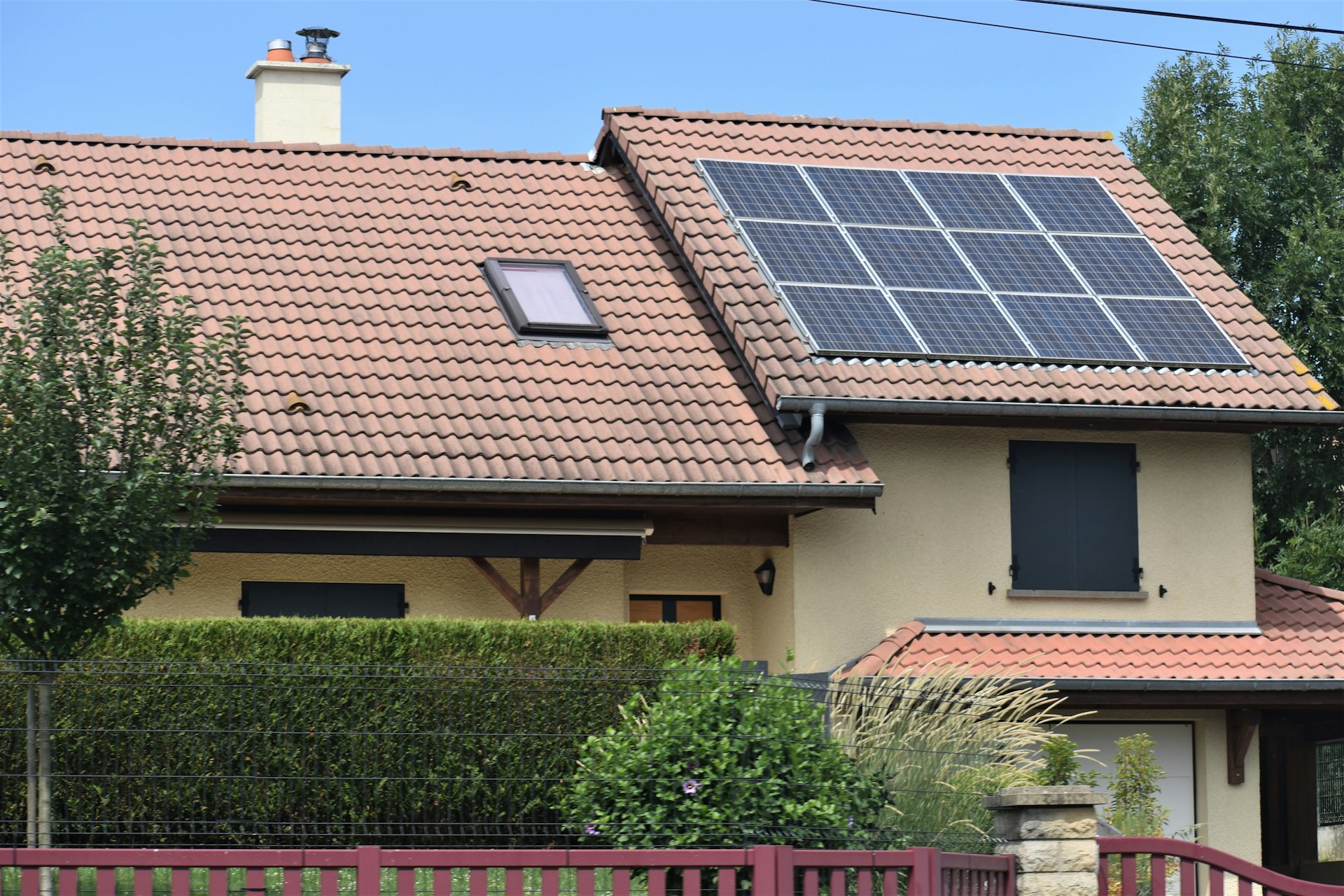
Market growth projections, cost trends, adoption rates, and integration benefits driving the residential battery storage surge—with critical implications for hurricane-prone regions
Key Takeaways
The global residential battery storage market reached $5.13 billion in 2024 and is projected to hit $27.66 billion by 2032—This 22.05% annual growth rate reflects surging consumer demand for energy independence, making factory-integrated solutions like Mesocore's Model E ADU with standard 20kWh battery storage increasingly valuable.
73% of solar shoppers now express interest in battery storage, with attachment rates more than doubling year-over-year—Consumer priorities have shifted decisively toward integrated solar+battery systems, exactly matching Mesocore's factory-installed approach that eliminates separate contractor coordination.
Battery prices hit an all-time low of $999 per kilowatt-hour in H2 2024—Combined with the 30% federal Investment Tax Credit saving homeowners over $4,000 on average, battery storage economics have never been more favorable for new construction.
U.S. battery storage capacity increased 66% in 2024 alone, adding 10.4 GW of new capacity—This explosive growth positions battery-integrated modular homes at the forefront of residential construction trends.
California holds over 50% of U.S. residential battery market share, with attachment rates jumping 72% after NEM 3.0—States with progressive energy policies demonstrate the trajectory Florida will follow as grid resilience becomes paramount.
33% of homeowners cite utility bill savings as their primary motivation for battery interest—Mesocore's integrated systems deliver significant annual utility savings while providing hurricane backup power in a state that has experienced 120+ hurricanes since 1851.
90% of installers anticipate 44% growth in battery installations over the next three years—Factory integration during modular construction captures this growth while eliminating the lengthy delays that separate solar installation adds to traditional project timelines.
Unpacking the Growth of Solar Battery Storage in Residential Homes
1. The global residential battery energy storage market was valued at $5.13 billion in 2024
This substantial market foundation reflects years of technology maturation, cost reductions, and growing consumer awareness of energy storage benefits. The residential segment represents the fastest-growing portion of broader energy storage markets as homeowners prioritize backup power and utility independence over purely grid-dependent systems.
2. The market is projected to reach $27.66 billion by 2032, exhibiting a 22.05% CAGR
This fivefold expansion over eight years demonstrates battery storage's transition from early-adopter technology to mainstream residential necessity. For modular home builders, factory integration of battery systems positions products at the center of this growth trajectory rather than requiring costly aftermarket additions.
3. The U.S. residential lithium-ion battery market reached $1.52 billion in 2024, growing to $5.09 billion by 2032
America's residential battery sector is expanding at a 14.36% CAGR as consumers respond to grid reliability concerns and rising electricity costs. This growth creates strong demand for homes with pre-installed battery systems—a core feature of Mesocore's sustainability-focused approach to modular construction.
4. U.S. battery capacity increased 66% in 2024, with generators adding 10.4 GW of new storage
Battery storage represented the second-largest generating capacity addition after solar in 2024, signaling a fundamental shift in how America generates and stores electricity. Cumulative utility-scale capacity now exceeds 26 GW nationally, with residential installations following similar growth patterns.
5. Operators plan to add 19.6 GW of utility-scale battery storage in 2025
This planned expansion—nearly double the 2024 additions—indicates continued acceleration rather than market saturation. Residential battery demand will intensify as utility-scale deployments normalize energy storage technology in consumer consciousness.
The Economic Advantages of Home Battery Backup Systems
6. Battery prices hit an all-time low median of $999 per kilowatt-hour in H2 2024
This historic price point makes battery storage accessible to mainstream homeowners rather than exclusively early adopters. For Mesocore buyers, dual 10kWh lithium-ion batteries (20kWh total) come factory-installed as standard equipment, capturing these cost advantages during manufacturing rather than through expensive retrofits.
7. The federal Investment Tax Credit covers 30% of battery installation costs, saving homeowners over $4,000 on average
This substantial tax benefit applies to both solar panels and battery storage systems, making integrated solutions particularly attractive. Mesocore's included 6kW solar array and 20kWh battery system qualify for these tax incentives, reducing effective purchase costs significantly.
8. 33% of EnergySage shoppers cited utility bill savings as their leading motivation for battery interest
While backup power during outages attracts attention, one-third of consumers prioritize the ongoing financial benefits of energy storage. Mesocore's integrated systems deliver significant annual utility savings—positive cash flow from month one when financing increases are offset by eliminated utility bills.
9. 64% of installers cite high battery costs as the main roadblock to selling more storage
This installer survey finding reveals why factory integration provides competitive advantage. When battery systems come standard with modular homes rather than as expensive add-ons, cost objections disappear. Mesocore's approach eliminates the traditional barrier that prevents most solar buyers from adding storage.
10. The Inflation Reduction Act spurred $422 billion in private-sector investments and created over 400,000 new jobs
This unprecedented business certainty through 2032 ensures continued policy support for residential solar and battery installations. Homebuyers can confidently invest in integrated energy systems knowing federal incentives remain stable for the next seven years.
Powering Your Home: Why Solar Panel Batteries Are Essential in Florida
11. 73% of EnergySage shoppers expressed interest in adding a battery to their solar system in H2 2024
This overwhelming consumer interest reflects shifting priorities toward complete energy systems rather than solar-only installations. In Florida—where 120+ hurricanes have struck since 1851—battery backup transforms from luxury to necessity. Mesocore's hurricane-resistant construction paired with 20kWh battery storage addresses both structural and power resilience.
12. 45% of EnergySage solar shoppers chose a quote that included battery storage in H2 2024
Nearly half of solar buyers now purchase integrated storage, up from just 6% in early 2020. This dramatic shift validates Mesocore's decision to include battery storage as standard equipment rather than optional upgrade.
13. Battery attachment rates on EnergySage more than doubled year-over-year in H2 2024
This accelerating adoption demonstrates that integrated solar+storage has crossed into mainstream consumer preference. Factory-built homes with pre-installed systems capture this demand while eliminating the complexity of coordinating separate solar and battery contractors.
14. California's battery attachment rate increased 72% following NEM 3.0 implementation
Policy changes requiring greater self-consumption of solar-generated electricity drove California homeowners toward battery storage in record numbers. As Florida and other states consider similar net metering adjustments, battery-integrated homes become increasingly valuable.
Understanding the 'Best': Features of Top Home Battery Storage Systems
15. The 6kW-15kW power rating segment dominates residential battery demand
This capacity range matches growing household needs for multiple battery units powering essential loads during extended outages. Mesocore's 6kW solar array with 20kWh battery storage falls squarely within optimal specifications for ADUs and primary residences.
16. Lithium-ion technology dominates the residential battery market due to high energy density and long life
Modern lithium-ion technology offers superior performance compared to older lead-acid alternatives—lower self-discharge rates, longer cycle life, and greater energy density in compact packages. Mesocore's dual 10kWh lithium-ion batteries provide the reliability and longevity homeowners expect from premium installations.
17. Asia Pacific dominated the market in 2024 with $2.77 billion valuation
While Asia Pacific leads globally, North America represents the fastest-growing regional market as U.S. consumers catch up to international adoption rates. This growth trajectory positions American modular builders with integrated storage at the forefront of domestic demand.
The Tesla Powerwall and Competing Home Battery Solutions
18. California holds more than 50% of the total U.S. residential lithium-ion battery market
This market concentration reflects California's progressive energy policies and high electricity rates driving storage adoption. Florida's combination of solar resources, hurricane exposure, and growing population positions it as the next major market—exactly where Mesocore's West Palm Beach factory operates.
19. Tesla, LG Energy Solution, and Panasonic lead U.S. residential battery sales
Major manufacturers have established strong market positions through brand recognition and distribution networks. However, purchasing batteries separately requires homeowners to coordinate installation, permitting, and integration—complexities that factory-integrated modular construction eliminates entirely.
20. LG Energy Solution is investing $2.3 billion in U.S. manufacturing with a 16 GWh production plant in Arizona by 2026
This substantial investment signals long-term confidence in American residential battery demand. Domestic manufacturing will reduce supply chain uncertainties and potentially lower costs for builders integrating batteries into modular construction.
Exploring Home Battery Backup Without Solar: When Is It Viable?
21. Battery storage represents only 2% of the 1,230 GW of U.S. utility-scale electricity generating capacity
Despite rapid growth, battery storage remains underpenetrated relative to overall electricity generation—indicating massive headroom for continued expansion. Homeowners seeking energy independence can leverage this growing infrastructure through grid-tied systems that provide backup power while participating in utility programs.
22. China holds over 60% of global lithium-ion battery manufacturing share, while the U.S. holds approximately 10%
This manufacturing concentration creates supply chain considerations for residential construction. Mesocore's Intertek-certified factory processes ensure quality control regardless of component origin, with all MEP systems tested before delivery.
Installation and Integration: Deploying Solar Battery Backup Systems Effectively
23. More than 90% of installers surveyed anticipate their annual battery installations will grow by an average of 44% over the next three years
This installer confidence reflects strong order pipelines and growing consumer demand. Factory integration during modular construction captures this growth trend while eliminating typical installation bottlenecks—Mesocore's approach saves substantial time compared to coordinating separate solar contractors.
Frequently Asked Questions
How much does a home battery storage system cost?
Battery prices reached a median of $999 per kilowatt-hour in H2 2024—an all-time low. A typical 10-15kWh system ranges from $10,000-$15,000 before the 30% federal tax credit, which saves homeowners over $4,000 on average. Mesocore's approach includes 20kWh battery storage as standard equipment, eliminating separate purchase decisions.
Can I power my entire house with a solar battery?
Battery capacity determines backup capability. Mesocore's dual 10kWh lithium-ion batteries (20kWh total) paired with a 6kW solar array can power essential loads for multiple days and support complete off-grid operation in some Florida jurisdictions without utility hookups. The 6kW-15kW power rating segment dominates residential demand precisely because it meets whole-home backup needs.
What is the lifespan of a typical home battery?
Modern lithium-ion batteries offer high energy density and long cycle life, typically lasting 10-15 years or 3,000-5,000 charge cycles. Most manufacturers provide 10-year warranties, and battery management systems optimize charging patterns to extend useful life.
What are the main benefits of having a home battery backup system in a hurricane zone?
Florida has experienced 120+ hurricanes since 1851, with recent storms leaving millions without power for extended periods. Battery backup maintains essential services—refrigeration, medical equipment, communication, climate control—when grid power fails. Combined with Mesocore's 180 mph wind rating, integrated battery storage addresses both structural damage and power outage risks.
Is it possible to install a home battery without solar panels?
Yes, standalone battery systems can charge from the grid for backup power or utility rate arbitrage. However, 73% of battery-interested consumers pair storage with solar to maximize savings and energy independence. Factory integration of both systems—as Mesocore provides—optimizes performance while reducing installation complexity and cost.
Ready to see if your property qualifies?
Start with a free ADU Space Check in minutes.
Planning your ADU starts with understanding your property.
