25 ADU Rental Demand Statistics: Data-Driven Insights for Homeowners and Investors in 2026
Insights
minute read
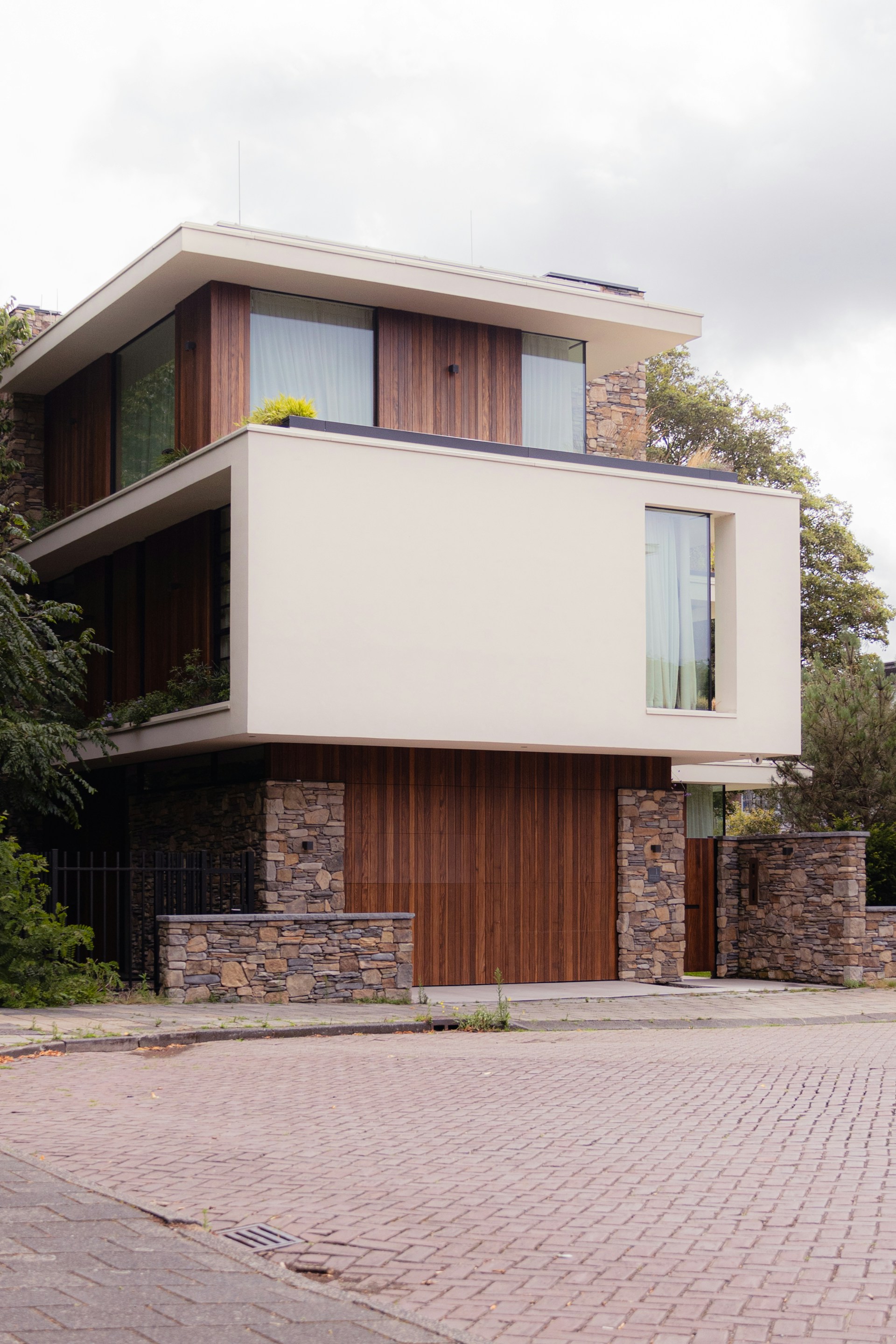
Comprehensive analysis of accessory dwelling unit market growth, rental income potential, property value impacts, and investment returns shaping the ADU boom across US housing markets
Key Takeaways
ADU market valued at $615.97 million in 2024, projected to reach $1.25 billion by 2033 at 8.16% CAGR — Mesocore's Model E ADU at $129,000 with integrated solar and 10-day on-site installation positions investors to capitalize on this growth without traditional construction delays
ADU rental income averages $1,940-$2,600 monthly for long-term leases with 95%+ occupancy rates — These figures far exceed national vacancy rates of 6.6-7.1%, making ADUs among the most reliable rental investments available to property owners
Properties with ADUs appreciate 9.34% annually versus 7.65% for properties without — California data shows ADU-equipped homes command $1,064,000 median values compared to $715,000 for comparable properties, representing $349,000 in additional equity
ADU permits increased 247% in San Diego County from 2020-2024 — Regulatory reforms and housing affordability pressures are driving explosive permit growth, with 24% of completed ADUs affordable to moderate-income households
38% of ADU builders cite rental income as primary motivation with ROI reaching 50-100%+ — Annual returns of 8-12% combined with property appreciation deliver investment performance unmatched by traditional real estate strategies
25% of older homeowners would consider building an ADU for a loved one — With 13% of adults currently serving as caregivers and 33% expecting to provide care, ADUs address growing multigenerational housing needs beyond rental income
30% of today's renters prefer smaller, budget-friendly spaces like ADUs — Shifting demographics and remote work trends create sustained tenant demand for compact, efficient living spaces with modern amenities
The Bottom Line: ADUs for Rental Income & ROI
1. Average ADU rental income ranges from $1,940 to $2,600 per month for long-term rentals
National rental data shows substantial income potential varies by unit size, location, and amenities. A 600 sq ft unit averages $1,940/month, while premium markets command higher rates. San Diego ADUs in higher-income cities generate approximately $2,600 per month, demonstrating the income ceiling in competitive rental markets.
2. Short-term ADU rentals can generate up to $5,000 per month in prime locations
Vacation rental strategies significantly boost income potential where regulations permit. Prime location short-term rentals more than double typical long-term lease income, though management intensity and regulatory compliance requirements increase accordingly. Florida's tourism-driven economy creates particularly strong short-term rental demand in coastal and metro areas.
3. Detached ADUs generate approximately $39,000 annually in rental income
ADU type directly impacts earning potential. Detached units command premium rents due to privacy advantages, while attached ADUs generate roughly $27,600 annually. Garage conversions produce approximately $24,000 yearly, and Junior ADUs (JADUs) generate about $19,200. Mesocore's Model E functions as a detached unit, positioning owners in the highest-income ADU category.
4. ADUs maintain 95%+ occupancy rates compared to national vacancy rates of 6.6-7.1%
Exceptional tenant demand keeps ADU vacancy minimal compared to traditional rental properties. This occupancy advantage stems from ADU appeal to renters seeking affordable, well-maintained housing in established residential neighborhoods. High occupancy translates directly to consistent cash flow and reduced landlord stress.
5. Properties with ADUs deliver typical ROI around 50%, with potential exceeding 100%
Investment returns on ADU construction significantly outperform most real estate improvements when factoring in both property value increases and ongoing rental income. For context, Mesocore's Model E ADU generates $2,200/month rental income in Miami markets, delivering 18.4% annual ROI with a 5.4-year payback period.
6. Annual returns from ADU rentals typically range from 8-12% in competitive markets
These annual return rates substantially exceed stock market historical averages and traditional rental property returns. Combined with property appreciation benefits, ADUs offer compelling risk-adjusted returns for investors seeking passive income generation.
7. Investment recoup period for ADUs typically spans 5-15 years through rental income
The payback timeline varies based on construction costs, local rental rates, and financing terms. Junior ADUs offer the fastest payback at 2-5 years, while detached ADUs require 6-10 years. Mesocore's competitive pricing and integrated solar systems accelerate payback through reduced construction costs and eliminated utility expenses.
Market Boom: National ADU Growth & Projections
8. Global ADU market valued at $615.97 million in 2024, projected to reach $1.25 billion by 2033
The accessory dwelling sector is experiencing 8.16% compound annual growth, reflecting sustained demand across housing markets. This growth signals extraordinary potential for early market participants capitalizing on regulatory reforms and housing affordability pressures.
9. California permitted 26,924 ADUs in 2023, demonstrating explosive adoption
The nation's largest housing market shows remarkable ADU construction activity, with permits increasing 88% between 2019 and 2022. Constructed ADUs rose from 5,852 in 2019 to 17,460 by 2022—a 200% increase reflecting both policy reforms and housing demand pressures.
10. ADU permits in San Diego County increased 247% from 2020 to 2024
Regional data reveals even more dramatic growth patterns. Permits jumped from 1,150 to 3,991 units over four years, while completed ADUs increased 480% from 342 to 1,984 units during the same period. This acceleration indicates strong contractor capacity development and streamlined permitting processes.
11. ADUs accounted for 20% of all new home construction in California in 2023
The scale of ADU impact on housing supply has reached significant proportions, demonstrating that secondary units now represent a major housing production strategy rather than a marginal construction category. This trend is spreading to other high-cost housing markets nationwide.
Florida's ADU Advantage: A Hotbed for Demand
12. Florida's population grew 8.2% since 2020, adding 467,347 residents in one year
The Sunshine State's extraordinary population growth creates unprecedented housing demand. Florida ranks as the fastest-growing state, with 319,000+ net new residents projected annually through 2028. This influx drives rental demand across all housing categories, including ADUs.
13. Florida ranks #3 nationally in solar capacity with 20,167 MW installed
The state's strong solar resources make integrated solar ADUs particularly attractive. Mesocore's factory-installed 6kW solar systems with 20kWh battery storage capitalize on Florida's 237 average sunny days, delivering $1,500-$1,820 annual utility savings while providing backup power during the state's frequent hurricane-related outages.
14. Florida's median home price reached $411,600 with 2.4 million cost-burdened households
Housing affordability pressures in Florida mirror national trends but with heightened intensity. An estimated 1.3 million low-income households are severely cost-burdened, spending over 50% of income on housing. ADUs offer affordable rental options where 24% of completed units are affordable to moderate-income households—compared to only 6% for all housing types.
Florida's unique combination of hurricane vulnerability, solar leadership, population growth, and housing affordability challenges creates ideal conditions for Mesocore's integrated modular solar ADUs. The company's 180 mph wind rating meets High Velocity Hurricane Zone requirements, while off-grid capability addresses both utility cost concerns and storm-related power outage risks.
Building Smarter: The Appeal of Modular & Prefab ADUs
15. 33% of ADU-interested consumers prefer modular/prefab construction
Consumer research reveals strong preference for factory-built ADUs due to rapid deployment, consistent quality, and reduced on-site disruption. Modular construction addresses the chronic labor shortage requiring 501,000 additional workers, which extends traditional timelines by nearly two months on average.
16. Average traditional ADU costs $156,000 with 83% completing in 18 months or less
The Terner Center study documented typical ADU construction costs and timelines. Mesocore's Model E at $129,000 with 10-day on-site installation dramatically outperforms these benchmarks, reducing both upfront investment and carrying costs during extended construction periods.
17. 30% of ADU project homeowners used only cash to finance construction
Financing patterns reveal diverse approaches to ADU investment. For those requiring financing, Mesocore's partnership with HFS Financial provides personal loans of $1,000-$300,000 with no home equity or appraisal required, fixed rates from 7.99%, and terms up to 20 years. Learn more about ADU financing options available through Mesocore's lending partners.
18. Detached ADUs in traditional construction cost $300,000-$450,000+
Conventional detached ADU pricing reflects labor-intensive site construction, material waste, and extended timelines. Mesocore's factory approach delivers comparable detached units at $129,000-$164,000 with integrated solar systems—representing 50-70% cost reduction compared to traditional builds of similar scope.
Beyond Income: Multigenerational Living & Flexibility
19. 38% of ADU builders cited extra income from rental as primary motivation
While rental income leads motivations, the Terner Center study found 28% built ADUs to create living space for household members or helpers. The remaining third cited property value improvement, personal use, and other non-rental purposes—demonstrating ADU versatility beyond investment applications.
20. 25% of older homeowners would consider building an ADU for a loved one
AARP research reveals significant demand for ADUs as aging-in-place solutions. With 13% of adults currently serving as caregivers and 34% expecting to provide care at some point, ADUs enable families to maintain proximity while preserving independence. Florida's "Granny Flat" property tax reduction of up to 20% for senior relative occupancy (age 62+) further incentivizes this use case.
21. 32.6 million Americans work remotely, driving demand for home office ADUs
The shift to remote work has transformed housing preferences, with workers prioritizing dedicated workspace separate from primary living areas. ADUs serve as ideal home offices with climate control, connectivity, and professional separation from household activities. Mesocore's Model E provides complete workspace functionality with integrated solar ensuring productivity during grid outages.
22. 58% of homeowners rent ADUs below market rate, with 40% occupied by family/friends
Rental patterns show ADUs frequently serve family purposes beyond maximum income generation. However, 46% of ADUs are rented to tenants with arms-length relationships to homeowners, indicating substantial market-rate rental activity alongside family accommodations.
ADU Regulations: Facilitating Growth with New Policies
23. 42% of respondents cited easing of land use rules as leading reason to build
Regulatory reform directly drives ADU construction activity. Removal of owner-occupancy requirements, parking mandates, and discretionary review processes has unlocked ADU development in previously restricted markets. Fourteen states have now broadly legalized ADU construction, with more states considering similar reforms.
24. ADU permits increased 61% between 2020 and 2021 in California alone
Policy changes eliminating key barriers produced immediate construction response. Fast-track permitting programs like Orange County's "Ready Set Orange" further accelerate ADU deployment. Mesocore's Intertek-certified factory-installed MEP systems streamline permitting and reduce inspection requirements in many jurisdictions.
Sustainable Living: Eco-Conscious ADU Renters
25. 30% of today's renters prefer smaller, budget-friendly spaces like ADUs
Shifting renter demographics favor compact, efficient living spaces with modern amenities over larger, costlier units. This preference aligns with environmental consciousness and financial pragmatism among younger generations. Mesocore's Model E delivers 410 square feet of thoughtfully designed space with luxury finishes, energy-efficient appliances, and complete off-grid capability.
Every Mesocore ADU ships with a 6kW solar array, dual 10kWh lithium-ion batteries (20kWh total), rainwater collection systems, and HEPA filtration—features that attract environmentally-conscious tenants while eliminating most utility costs. The 30% federal solar tax credit through 2032 and Florida's property tax exemptions for renewable energy installations further enhance investment returns for ADU owners prioritizing sustainability.
Frequently Asked Questions
How quickly can I see a return on investment with an ADU rental?
ADU investment recoup periods typically span 5-15 years through consistent rental income. Mesocore's Model E ADU accelerates this timeline with its $129,000 starting price and $2,200/month rental potential in Florida markets, delivering approximately 18.4% annual ROI with a 5.4-year payback period. Integrated solar systems further improve returns by eliminating utility expenses from day one.
What are the typical financial benefits of owning an ADU in Florida?
Florida ADU owners benefit from strong rental demand driven by 8.2% population growth, 8-12% annual returns, and property value increases averaging 9.34% annually for ADU-equipped properties. Additional benefits include the 30% federal solar tax credit, Florida's 0% sales tax on solar equipment, property tax exemptions for renewable energy, and the "Granny Flat" tax reduction of up to 20% for senior family member occupancy.
What makes a modular ADU more appealing than a traditional build?
Modular ADUs like Mesocore's Model E offer 10-day on-site installation versus 12-18 months for traditional construction, 10-25% cost savings, factory-controlled quality, and integrated systems that eliminate subcontractor coordination. With 33% of ADU-interested consumers preferring modular construction, factory-built units address market demand for speed, consistency, and turnkey delivery.
Are there specific tax incentives for ADU owners with solar power?
Yes. ADU owners with integrated solar qualify for the 30% federal tax credit through 2032 (claimed via Form 5695), Florida's 0% sales tax on solar equipment, and property tax exemptions ensuring solar installations don't increase taxable property values. These incentives combine to reduce effective ADU costs by 25-35% while eliminating ongoing utility expenses—benefits that make solar-integrated ADUs among the most financially attractive housing investments available.
Ready to see if your property qualifies?
Start with a free ADU Space Check in minutes.
Planning your ADU starts with understanding your property.
