The Parallel Path: How Permanent Modular Construction Cuts Build Times by 50%
Insights
5
minute read
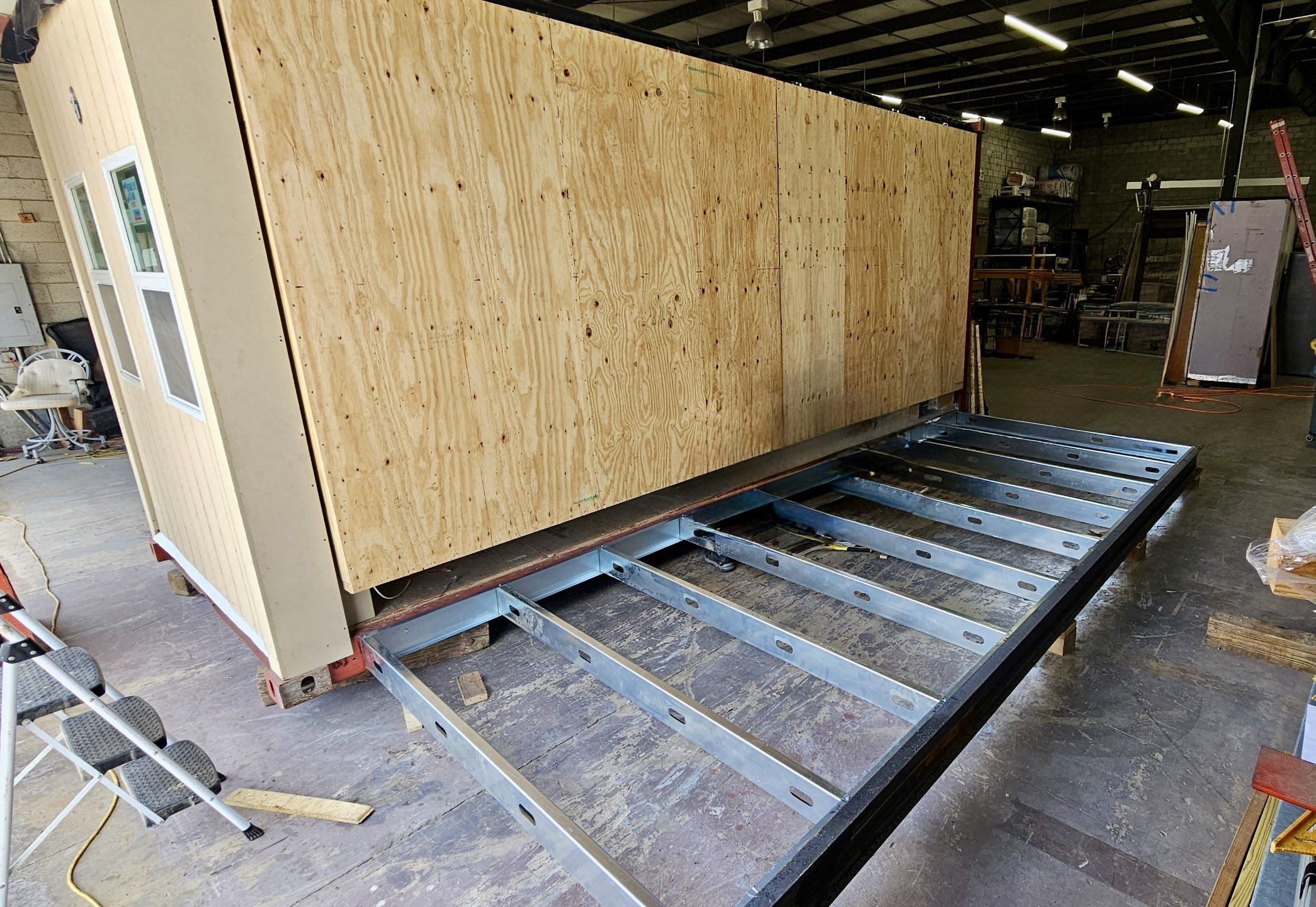
In the traditional world of real estate development, construction is a waiting game. It is a linear, slow-moving process where one delay—be it weather, a missing inspector, or a backordered trade—cascades through the entire schedule. For developers and homeowners, this translates to months of carrying costs and missed opportunities.
Permanent Modular Construction (PMC) changes the fundamental math of building. By shifting from a linear schedule to a parallel path, we aren’t just building faster; we are building smarter.
Why the "Linear" Model is Broken
In a standard site-built project, work happens in a strict sequence. You cannot frame until the foundation is poured and cured. You cannot run electrical until the framing is inspected. You cannot close walls until the plumbing is signed off. If it rains for a week, the entire project stops. This "Critical Path" is fragile, and in today’s market, it is more expensive than ever.
The Permanent Modular Advantage: Parallel Processing
With Permanent Modular Construction, the clock starts on the structure and the land simultaneously. While the site team is clearing lots, trenching utilities, and pouring foundations, the home is already being fabricated in a controlled factory environment. By the time the foundation is ready, the home is 90% complete.
Timeline Comparison: Traditional vs. Permanent Modular
Phase | Traditional Site Built | Permanent Modular | Time Saved |
|---|---|---|---|
Permitting & Design | 1–4 Months | 1–2 Months | ~4 Weeks+ |
Site Prep & Foundation | 4–8 Weeks | 4–8 Weeks (Parallel) | ENTIRE PHASE |
Building Envelope | 3–6 Months | 1–2 Weeks (Factory) | 3–5 Months |
Mechanical / Electrical | 4–8 Weeks | 0 Weeks (Integrated) | 1–2 Months |
Final On-Site Hookup | N/A | 1–2 Weeks | N/A |
TOTAL TIMELINE | 9–18 Months | 3–5 Months | Up to 1 Year |
Precision Engineering vs. Site Uncertainty
Speed is not just about moving fast; it is about eliminating rework. A site-built home is subject to the variances of the field. A permanent modular home is engineered to tolerances that site-builders simply cannot match. Because these units must withstand the stresses of high-speed highway transport, they are structurally engineered to exceed the "minimum code" requirements of a stationary build.
The Weather Factor
For projects in high-humidity and high-rain environments, the "weather tax" is real. Traditional builds lose weeks to afternoon thunderstorms and seasonal delays. Our homes are built in a dry, indoor facility where the humidity is controlled and the work never stops. This ensures that the materials—especially structural components and insulation—are never exposed to the elements during the critical phases of construction.
The Integration of Logistics
One of the unique advantages of our model is the integrated chassis. Most modular builders struggle with the logistics of moving "the box." By integrating the transport system into the structural integrity of the home, we move from delivery to anchoring in record time. This is "Plug-and-Play" architecture at a professional scale.
The Bottom Line
Whether you are a developer looking to maximize ROI on a multi-lot community or a homeowner wanting to move in before the next season, the choice is clear. You can wait on a linear schedule, or you can take the parallel path.
Ready to see if your property qualifies?
Start with a free ADU Space Check in minutes.
Planning your ADU starts with understanding your property.
