The Housing Industry Just United: What “Let America Build” Means for the Future of Expandable Housing
News
4
minute read

In a rare show of total alignment, leaders across the housing ecosystem—from Zillow and Realtor.com to Habitat for Humanity and the National Association of Home Builders (NAHB)—have joined forces behind a urgent call to action: Let America Build.
The premise is straightforward. The United States faces an estimated deficit of 4 million homes. While the passage of the bipartisan 21st Century ROAD to Housing Act unlocks crucial financing and establishes a $200 million housing innovation fund, legislative policy is only half the equation. To fix the housing crisis, how we construct homes must fundamentally change.
The Real Cost of Traditional Construction
Building a traditional home today comes with massive financial friction. Regulatory compliance, permitting delays, and outdated zoning restrictions alone add nearly $132,000 to the cost of a single-family home.
When soft costs and field delays balloon the baseline price of entry, middle-income buyers, first-time homeowners, and communities needing rapid recovery are priced out before ground is even broken.
Enter Innovation: The Rise of Modular & Incremental Housing
The "Let America Build" movement calls on local leaders to clear zoning barriers for modern housing types. That is precisely where factory-engineered systems like Mesocore transform the math of residential development:
Centralizing Complexity: Instead of building a kitchen, mechanical core, and utilities on-site from scratch under unpredictable weather, a 420-square-foot pre-engineered unit houses all complex systems (kitchen, baths, solar, and power storage) out of the box.
Incremental Expansion: Homeowners don't need to take on a massive 30-year mortgage for space they might only need down the road. They can deploy a functional core today and expand into a 2-, 3-, or 4-bedroom home using standard construction as their budget or family grows.
Infill and ADU Compatibility: Modernizing local zoning opens up backyards and small lots. High-density, small-footprint units fit effortlessly onto 3,000-square-foot lots or act as secondary dwelling units (ADUs) to create instant supply.
Building for Tomorrow, Today
The legislation is shifting, the industry is demanding change, and funding for innovation is active. The bottleneck isn't a lack of vision—it’s time to lean into factory-built precision, rapid site assembly, and scalable design to rebuild the housing landscape.
The future of homeownership isn't just about building more; it’s about building smarter.
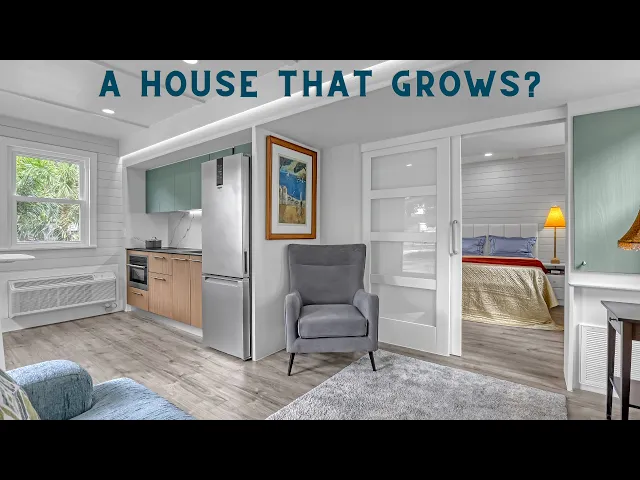
This video tour offers a clear look at how Mesocore translates these modular and expandable concepts into real-world structures.
Ready to see if your property qualifies?
Start with a free ADU Space Check in minutes.
Planning your ADU starts with understanding your property.
