Rental Income Without the Tax Penalty: How SB 48 Protects Your Florida Homestead
Insights
5
minute read
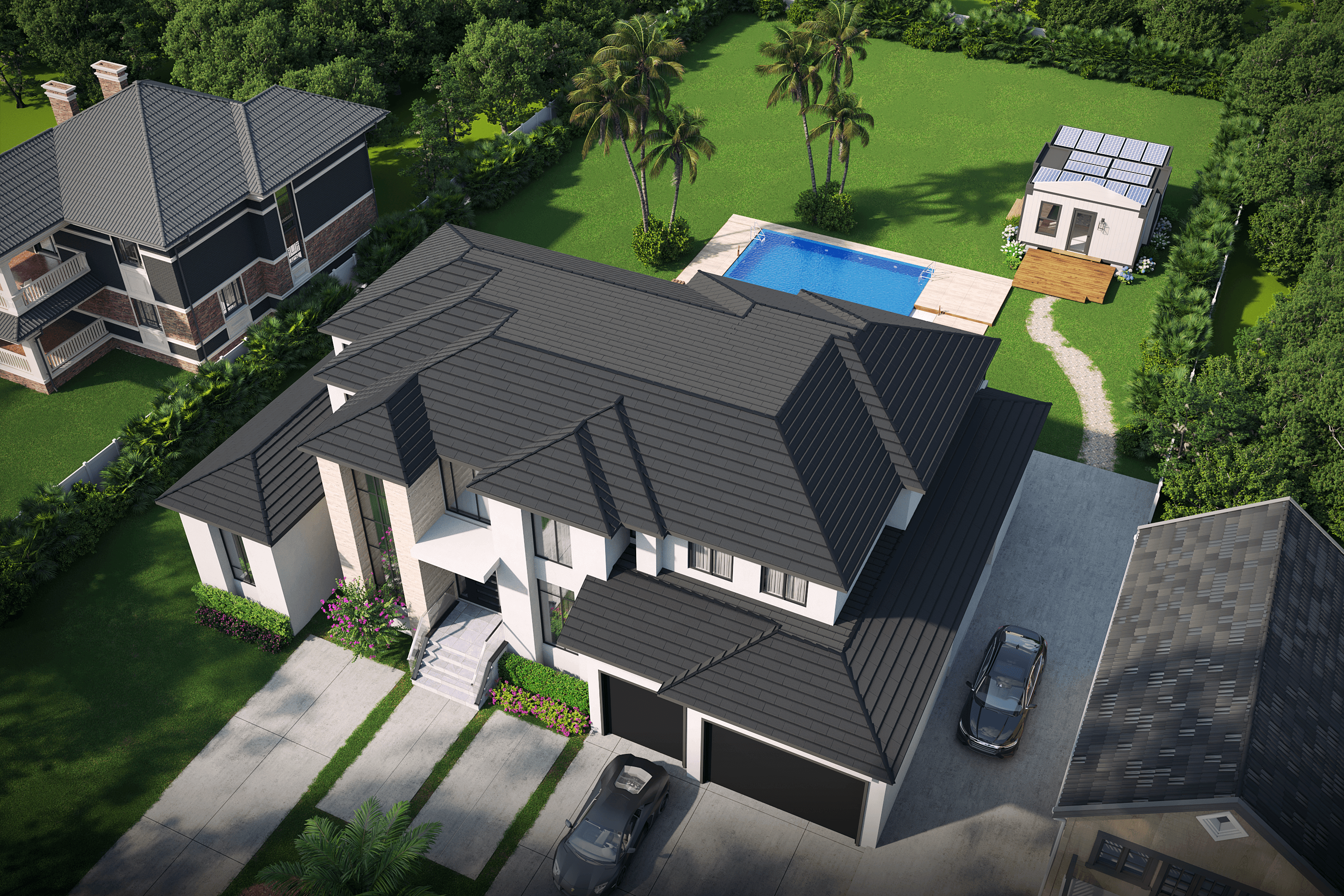
For many Florida homeowners, the dream of building a backyard ADU (Accessory Dwelling Unit) often hits a wall of fear: "Will I lose my Homestead Exemption?"
In the past, renting out any part of your property was a legal gray area that could lead to a "reassessment nightmare," potentially stripping away your Save Our Homes (SOH) 3% cap and hiking your taxes by thousands.
Florida Senate Bill 48 (2026) has officially changed the game. Here is how the new law protects your primary residence while allowing you to cash in on the "backyard boom."
1. The "Firewall" Between Your Home and Your ADU
The most significant protection in SB 48 is the prohibition of homestead denial. The law explicitly states that a property appraiser cannot deny or revoke your homestead exemption solely because you have built or are renting an ADU.
Your Main House: Stays protected by your original Homestead Exemption and the Save Our Homes cap.
The ADU: Is assessed separately based on its specific use (e.g., as a rental or a guest house).
This creates a "tax firewall." Even if your ADU is treated as an investment unit, that status does not "bleed over" into your primary dwelling.
2. Separate Assessment: Pay Only for What You Use
Under SB 48, property appraisers are directed to assess the rented ADU separately from the homestead property.
While the ADU's value will be added to your total property value, it is taxed according to its use. For an ROI-focused homeowner, this means:
You only pay the "commercial" or "non-homestead" tax rate on the square footage of the ADU, not your entire lot.
The $50,000+ Homestead Exemption (which adjusted to $50,722 in 2026 due to Amendment 5) remains firmly attached to your main house.
3. The "Save Our Homes" Protection
Florida’s Save Our Homes benefit caps annual assessment increases at 3%. Homeowners often fear that a new building permit will trigger a "full market reassessment" of the entire property.
The Reality in 2026: When you complete a Mesocore Model E, the county adds the just value of that new construction to your tax roll. However, your original home’s assessed value remains capped. In subsequent years, if you maintain your residency, the ADU itself can also become subject to its own valuation protections, provided it meets local requirements.
4. The "Granny Flat" Loophole (FS 193.703)
If you aren't renting to a stranger but are instead housing a parent or grandparent (aged 62+), you may be eligible for an even bigger break. Florida allows for a reduction in assessed value equal to the increase in value resulting from the construction of the ADU (up to 20% of the total property value).
Why Mesocore is the Tax-Smart Choice
As architects and developers, we don't just build walls; we build financial assets.
Predictable Value: Our standardized 420 sq. ft. core makes it easier to estimate your tax impact before you break ground.
Efficiency: Because our units are solar-ready and highly efficient, your "total cost of ownership" remains low even if your property tax sees a modest bump.
Summary: Is the ROI worth the Tax Increase?
In cities like Orlando, Tampa, and West Palm Beach, a well-placed ADU can generate between $1,500 and $2,800 in monthly rent. Even with a separate tax assessment on the ADU, the rental income typically covers the additional tax cost in just 1–2 months of occupancy.
Ready to see if your property qualifies?
Start with a free ADU Space Check in minutes.
Planning your ADU starts with understanding your property.
